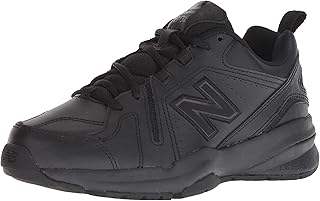
Women's athletic shoes on this page include running, training and minimalist shoes, and the first decision is the activity. Running shoes are built for forward motion with cushioning in the heel and forefoot, training shoes are flatter and more stable for lifting and side to side movement, and minimalist shoes are thin and flexible for a barefoot feel.
Cushioning is the next question. Highly cushioned shoes protect legs on long runs and walks, while moderate cushioning, firmer underfoot, is steadier for gym work. Among the 5 products that list weight, most fall between 4.3 and 13 ounces, and 11 ounces is typical.
Fit matters most. Women's shoes are usually built on a narrower last, but some women prefer wide models. Leave space in front of the toes, and check the heel holds securely.
Cross training shoes with a flat, firm sole give a stable base for squats and deadlifts, and a wider toe box lets toes spread for balance. Walking shoes are built differently again, with a rounded heel and a smooth roll from heel to toe. Choose a shoe for the activity you do most often, and keep a separate pair for running if you run regularly, since gym shoes are not designed for long miles.
Before buying, check the shoe type, cushioning, width and weight. Transition gradually into minimalist shoes, since they place more demand on calves and feet, and replace shoes when the cushioning feels flat.
How we list products: every listing here has a recorded price, a minimum customer rating and enough ratings or monthly sales. Generic and unbranded listings are left out; every real brand stays, including brands sold only on Amazon. Products are ordered by monthly searches for their brand and model on every page.Editorial policy


 Best Overall