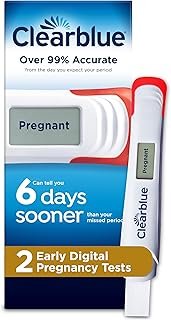
Pregnancy tests detect the pregnancy hormone in urine, and on this page they include line tests that show one or two lines, digital tests that display words, and tests that estimate how many weeks since conception. The first decision is how early you want to test, because early detection tests are more sensitive and can detect pregnancy a few days before a missed period, while standard tests are most reliable from the day of the missed period.
Sensitivity is the next question. Tests differ in the amount of hormone they can detect, and the packaging usually says how many days before a missed period the test can be used. Testing too early can give a negative result even when you are pregnant, so if a test is negative and your period does not arrive, test again a few days later.
Reading the result matters. Line tests can show a faint line that is hard to interpret, while digital tests remove guesswork but cost more. Read the result within the time window in the instructions, since lines that appear later may not be valid.
Multipacks are good value for people trying to conceive who test often, and many include both line and digital tests.
Before buying, check the sensitivity, the type of display, the number of tests, the expiry date and the instructions for use. Use first morning urine for early tests if the instructions recommend it. See a doctor or midwife to confirm a pregnancy and start prenatal care, and talk to them about any medicines you take.
How we list products: every listing here has a recorded price, a minimum customer rating and enough ratings or monthly sales. Generic and unbranded listings are left out; every real brand stays, including brands sold only on Amazon. Products are ordered by monthly searches for their brand and model on every page.Editorial policy


 Best Overall