Electronic training collars use a remote to deliver a tone, vibration or static stimulation to a dog's collar, and they are used for recall and behaviour training. The first decision is whether this type of training is right for your dog, because many trainers and vets recommend reward based methods first, and some places restrict static collars.
Modes and range are the next questions. Collars with tone and vibration modes give gentler cues, and adjustable levels allow the lowest effective setting. Range matters for field training. Waterproof collars suit dogs that swim.
Fit matters for safety. The contact points must touch the skin without being too tight, and collars should not be worn for long periods to avoid skin irritation.
Some collars include a tracker or a beeper mode for hunting dogs, and multi dog systems control several collars from one remote. Fit the collar so it is snug but not tight, and move its position on the neck regularly. Start training in a quiet area with low levels, pair cues with rewards, and stop if your dog shows fear or stress. Keep the remote charged and in a pocket during training. Check local rules first.
Before buying, check the modes, levels, range, battery life, waterproofing and fit for your dog's size. Learn how to use the collar from a professional trainer, and never use it as punishment.
How we list products: every listing here has a recorded price, a minimum customer rating and enough ratings or monthly sales. Generic and unbranded listings are left out; every real brand stays, including brands sold only on Amazon. Products are ordered by monthly searches for their brand and model on every page.Editorial policy


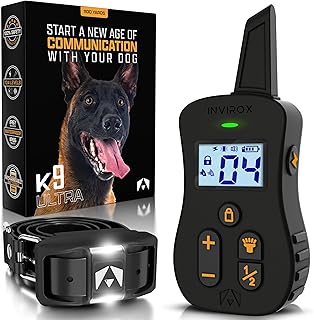 Best Overall


