As an Amazon Associate I earn from qualifying purchases. ProductDome earns a commission when you buy through links on this page.
Best Overall
Tents
Big Agnes Copper Spur HV UL Backpacking Tent
A light freestanding two person tent with a door and vestibule on each side, aimed at backpackers counting weight. The listing has odd entries, such as a four season label, so check the shelter rating before winter trips.
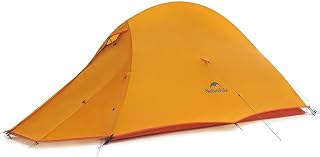
A light freestanding two-person tent with lots of headroom and covered awning doors for backpackers. The thin fabrics need care on rough ground, and a footprint is not listed as included.
A fast hub tent for families who car camp and want the shell standing in moments with no loose poles. Fiberglass poles and a spring to fall season rating make it a fair weather shelter, not a winter one.
A four-person pop-up hub tent with a tall ceiling, mesh roof panels and an extra footprint in the box. It is heavy to carry far, and the water resistance level is listed inconsistently.
A fast-pitching, roomy car camping tent for families who hate threading poles. At its weight, it belongs at a campsite near the vehicle, not on a backpacking trail.
A light two person tent built around bike travel, with short poles and a stuff sack that straps to handlebars. It is a three season shelter, and the stake count is not listed.
A light, roomy freestanding backpacking tent with two doors, two vestibules and a mostly mesh body. It is a three season design, so it is not meant for winter use.
A light freestanding tent with a large floor that can also sleep a fourth person lengthwise. Like the smaller version it is a mild-season design with a mostly mesh body.
A backpacking tent for two, with a door and a vestibule on each side and a coated nylon rainfly. It is a three-season shelter, so winter weather is outside what the listing describes.
A pop-up family cabin tent with two rooms, two doors and a rainfly. Setup claims differ between one and two minutes, and the water resistance rating is modest.
Fast setup and upright cabin walls make this a strong fit for car campers who want shelter up quickly. The fabric is rated water resistant rather than waterproof, so heavy rain needs a tight rainfly pitch.
A big cabin tent for family car camping that goes up fast and has its own lights and room dividers. It is heavy and bulky, so it belongs near the car, and the LED power source is not stated.
A dark room tent sold in several capacities, with a fast setup and a light-blocking fabric. The specs give a single size, so confirm which capacity it belongs to before ordering.
A dark room tent sold in several capacities, with a fast setup and a light-blocking fabric. The specs give a single size, so confirm which capacity it belongs to before ordering.
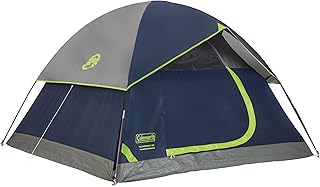
A free standing dome with a covered entry, quick setup and sealed seams for car camping in mild weather. At its weight it is a vehicle-based tent, not a trail shelter.
A free standing dome with a covered entry, quick setup and sealed seams for car camping in mild weather. At its weight it is a vehicle-based tent, not a trail shelter.
A dark room tent with a convertible screen porch, fast setup and a high waterhead rating, made of PFAS-free materials. The listing never states how many people it sleeps in the main tent.
A dark room tent with a convertible screen porch, fast setup and a high waterhead rating, made of PFAS-free materials. The listing never states how many people it sleeps in the main tent.
A fast-pitching family tent with a screened porch that doubles as extra sleeping space. It is a three-season tent, so it is not meant for winter camping.
A fast-pitching family tent with a screened porch that doubles as extra sleeping space. It is a three-season tent, so it is not meant for winter camping.
A family dome tent with built-in lighting for evenings inside and quick setup from attached poles. The listing gives almost no floor, height or material data, so check those before buying.
These 10 tents are the most searched brands and models among the established products in this category (monthly searches for each brand and model); on a tie, the one with more owner ratings ranks first. Product data comes from public Amazon listings (updated 2 days ago). We do not test products ourselves.
Coleman, Naturehike, MSR, The North Face, Kelty lead this category among the 37 brands that passed our curation checks.
How does ProductDome pick these tents?
A listing appears only when it has a recorded price, a minimum customer rating, and enough ratings or monthly sales. Generic and unbranded listings are left out, while every real brand stays, including brands sold only on Amazon. The ones that pass are ordered by how many people search for that brand and model each month; review counts only break ties.
About tents
Start with the enclosed sleeping space your group needs: dome tents generally have sloping walls, while cabin tents have more upright walls that leave more room to move around away from the center. Camping Shelters can look similar in photographs, but check whether they provide an enclosed sleeping compartment with a floor before buying one for overnight camping.
Use the occupancy options to narrow the choice to tents intended for your sleeping group, then check the floor dimensions against your bedding. Among the 6 products that list occupancy, most fall between 2 and 9 person, and 4 person is typical. A person rating is a sleeping-place estimate, so compare the tent’s floor length, width and layout with your actual sleeping mats or air mattress. Allow for bags kept inside and enough room to get dressed without shifting bedding. For a tall air mattress or cot, look for interior drawings or photographs showing clearance at bedding height, where the usable width may differ from the floor dimensions. Peak height matters if you want to stand, but it does not tell you how far that standing room extends.
Match the weather protection to the conditions you expect: examine rainfly coverage, seam sealing and the floor construction for wet trips, and look for ventilation that remains usable with the rainfly fitted. Mesh panels help airflow when exposed, but assess how much the fly covers them during rain. Door placement matters when sharing: compare each entrance with the planned bedding layout so sleepers can leave without climbing across someone else. If you will carry the tent, compare its complete packed weight and packed dimensions with what your group can carry, including poles, stakes and the fly.
Before buying, confirm that your campsite can accommodate the tent’s full pitched footprint, including vestibules and guy lines, and that its anchoring method suits the ground. Instant and pop-up designs change the pitching process; read the instructions to see whether setup needs another person and which staking steps remain necessary. The pole filter lists Aluminum and Fiberglass; check whether replacement poles are available for the specific tent. Establish whether the rainfly, stakes, guy lines and any compatible groundsheet are supplied or sold separately.
How we list products: every listing here has a recorded price, a minimum customer rating and enough ratings or monthly sales. Generic and unbranded listings are left out; every real brand stays, including brands sold only on Amazon. Products are ordered by monthly searches for their brand and model on every page.Editorial policy
Cookie settings
We use necessary cookies to keep the site working. Page views are counted without cookies. With your permission, we also use functional and marketing cookies. Cookie Policy.


 Best Overall