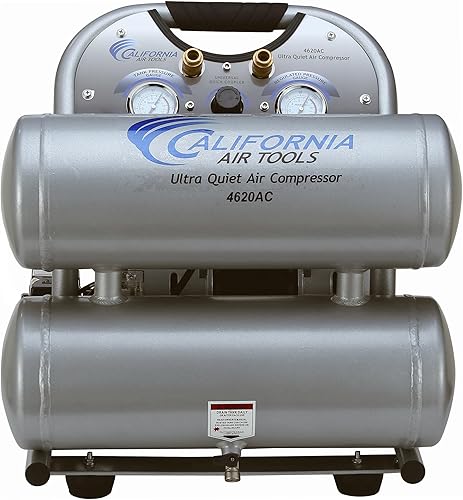
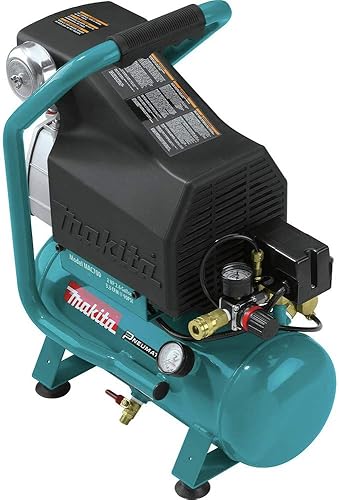
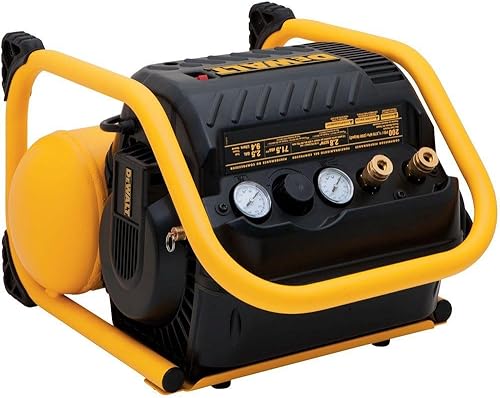
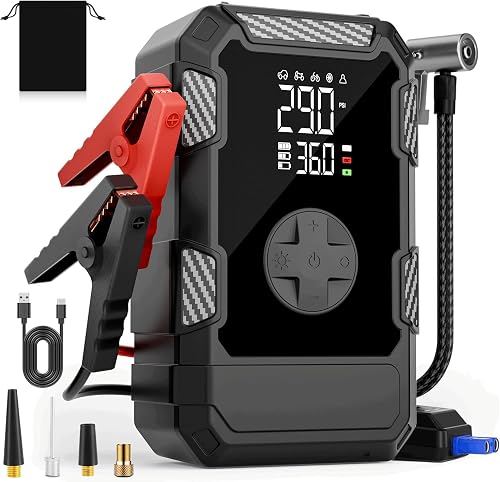
Air compressors and tire inflators serve different jobs: a compressor supplies air for compatible pneumatic tools, while a dedicated tire inflator is intended for inflation and may lack the airflow and connections needed to run those tools. For tires, match the inflator’s permitted uses to your vehicle’s tires; for air tools, use the tool’s air requirements to select the compressor, since reaching the required pressure is not enough.
For tool use, compare the compressor’s delivered airflow at the tool’s required working pressure with the tool manual’s demand for the same task. Among the 7 products that list air flow capacity, most fall between 2.6 and 5.4 cfm, and 3 cfm is typical. An airflow figure needs its stated pressure to make that comparison useful. Sustained spraying or sanding needs an air supply that can keep up throughout the task, while intermittent fastening gives the compressor opportunities to recover. For tire inflation, compare stated inflation times against your tire size and starting pressure, and read the permitted run time and cooling instructions. Higher target pressures and longer continuous operation can affect how soon an inflator needs a pause.
Tank size, portability and noise shape everyday use after air supply is settled. On compressors with a tank, a larger reservoir provides more stored air for short bursts, but cannot make up for inadequate pump output during sustained work. If the unit must travel between a garage and a vehicle, compare its weight, dimensions and handle position with what you can lift and the storage space available. If wheels are fitted, assess whether they suit the steps and surfaces along your route. For work near occupied rooms, compare noise figures under similar measurement conditions; distance and whether the pump is running affect how useful that comparison is.
Before buying, confirm the required power source and any circuit or vehicle-socket requirements in the manual. For compressors, match the hose bore, pressure rating and coupler fitting to the tool and compressor; for inflators, confirm valve access and whether the supplied connector fits. Compatible hoses, adapters and inflation attachments may be sold separately. Material labels such as Blend, Aluminum and Cast Iron need a part-level description to be useful. Check whether the pump needs oil and how to drain any fitted tank. If the unit uses replaceable intake filters, check their availability and whether spares are supplied or sold separately.
How we list products: every listing here has a recorded price, a minimum customer rating and enough ratings or monthly sales. Generic and unbranded listings are left out; every real brand stays, including brands sold only on Amazon. Products are ordered by monthly searches for their brand and model on every page.Editorial policy


 Best Overall